3153 Foley Street
Miami, FL 33176

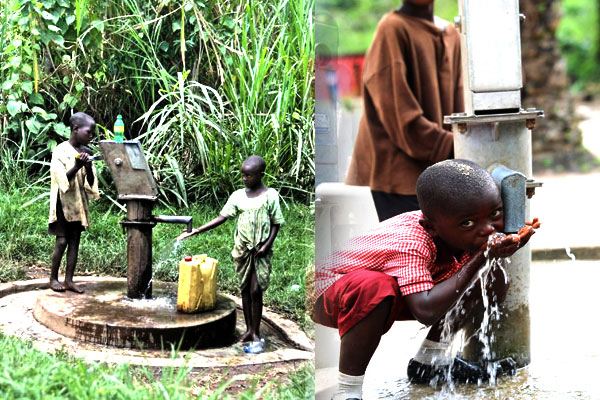
In the event of a disaster, families often experience an immediate loss of access to essential goods and services, rendering them susceptible to hunger, dehydration, illness, and displacement. In the absence of emergency assistance, these populations face significant risks. Humanitarian emergency response efforts provide critical, life-saving aid and help to restore hope during times of profound crisis.
Emergency response refers to the organized and rapid interventions aimed at preserving life and addressing the urgent needs of individuals affected by conflicts, climatic events, or other emergencies. The primary components of an emergency response encompass the following eight activities:
1. Search and Rescue: The identification and extraction of survivors following events such as earthquakes, floods, or explosions.
2. Emergency Food Assistance: Provision of food supplies including food kits, hot meals, and ready-to-use therapeutic foods (RUTF) specifically designed for malnourished children.
3. Water, Sanitation, and Hygiene (WASH): Activities such as water transportation, well rehabilitation, distribution of water purification tablets, and construction of latrines.
4. Emergency Shelter: Distribution of tents, tarpaulins, blankets, or the establishment of temporary housing solutions.
5. Emergency Health and Nutrition Services: Deployment of mobile clinics, trauma care, vaccination campaigns, nutritional screening, and treatment for severe acute malnutrition.
6. Cash and Voucher Assistance: Direct cash transfers enabling affected families to procure necessary items locally, thereby supporting both individual dignity and local economies.
7. Protection and Psychosocial Support: Implementation of child-friendly spaces, prevention of gender-based violence, trauma counseling, and related services.
8. Logistics and Coordination Support: Conducting needs assessments, managing warehouses and transportation, and coordinating efforts among various response actors.
The Importance of Emergency Response
The demand for disaster relief has reached unprecedented levels. The frequency of extreme weather events continues to rise, with 392 natural disasters occurring in 2024 alone, placing over 167 million individuals at risk. Concurrently, escalating conflicts have resulted in 305 million people requiring urgent assistance this year. Increasingly, individuals are exposed to perilous conditions beyond their control.
Emergency response is critical as it preserves human life, upholds dignity, and facilitates community recovery. According to the World Meteorological Organization, fatalities resulting from natural disasters have significantly decreased over recent decades. This decline is not attributable to a reduction in the severity of such events but rather to enhanced global emergency response mechanisms. Improved coordination among humanitarian organizations has accelerated and optimized the delivery of lifesaving aid precisely when it is most needed.
Recovery and Rehabilitation
Our teams assist farmers in replanting crops, facilitate families’ restoration of access to clean water and healthcare services, and support the rehabilitation of livelihoods to enable the revitalization of local economies. This approach ensures that communities continue to recover well beyond the immediate emergency response phase.
Disaster Risk Reduction and Preparedness
Action Against Hunger collaborates closely with local leadership to enhance their capacity for emergency preparedness and response. A core component of our mission involves preventing future disasters and mitigating their impacts. By implementing early warning systems, we enable communities to monitor potential risks and respond promptly when threats emerge. Our emergency preparedness initiatives provide training for local responders in evacuation planning, the stockpiling of essential supplies, and effective coordination during crises. Additionally, we promote climate adaptation projects aimed at ecosystem protection, improved water management, and the safeguarding of food security against future shocks. Through investment in anticipatory measures, communities are empowered to take proactive action before disasters fully materialize, thereby minimizing damage, preserving livelihoods, and saving lives.